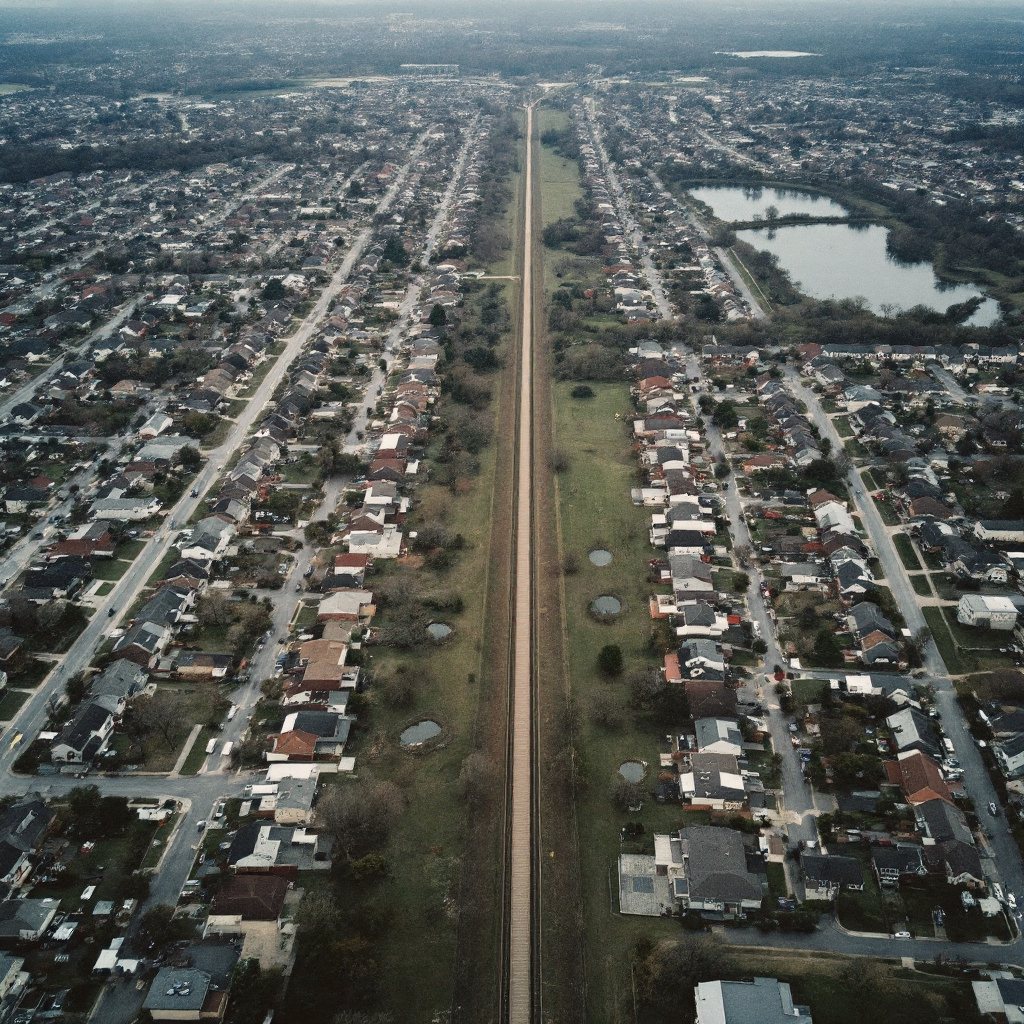
Home rails. The whole grid, next-day.
Get a Fishers Quote Call (317) 961-3111Fishers is the home terminal — the trucks stage here and every neighborhood from 96th to 146th is a short run: Fishers Pointe to Sunblest, Geist's western edge to the new sections still framing out east of Cyntheanne. If your project is inside the grid, next-day is the standard and same-day is often the reality.
What Fishers projects look like from the driver's seat: the great renovation wave (kitchens, baths and basements refreshing the 1990s–2010s housing stock, 20-yard territory), roof tear-offs arriving on schedule as the same-era shingles age out together, garage purges in homes that hit the twenty-year clutter mark, and infill construction where teardown-rebuilds need boxes that swap on inspection schedules. The stamped-and-decorative-driveway rate here is the highest on our map — which is exactly why boards go under every single drop, no exceptions.
And yes, the name: the Nickel Plate Road is the railroad Fishers grew around, its corridor now the trail and district downtown. We named the company for it because it stood for schedules kept and rates published — the two things dumpster rental around here forgot. Consider this the timetable being honored.
Same flat structure corridor-wide: 15s typically $300–$410 all-in, 20s $360–$480, 30s $430–$590, heavy debris per material — each including delivery, pickup, 7-day window and honest tonnage. The sizes & prices page breaks down what fits in each.
Fishers is not one kind of street. Sunblest and the older sections off Lantern Road sit on mature lots with full-grown trees and tight aprons. Those are cleanout calls, and the driver is thinking about low branches and overhead lines first, so placement gets talked through on the phone instead of guessed at in the driveway.
Britton Falls and the other age-restricted sections are downsizing and estate jobs, loaded in short sessions rather than one hard weekend, so the can stays on the driveway and out of the street. Our cleanout dumpsters page covers those loads. Avalon, the newer builds off 96th toward the Fishers Marketplace corridor, and the sections filling in east of Cyntheanne bring the opposite problem: new concrete, sealed concrete, decorative concrete, and short setbacks where a 20-yard takes most of the usable drive.
Geist waterfront properties are their own category: long approaches, lots that slope toward the reservoir, tight turnarounds, and lakeside access that sometimes rules out the obvious spot. More on the Geist service area page. The truck needs firm ground and a straight backing lane.
On most Fishers properties the answer is the driveway, backed in, rails running along the length of the drive. A roll-off lands with its weight concentrated on those two steel rails, which is why boards go under every residential drop. Plywood under the rails spreads that load and keeps steel off the surface while the box slides on and off. The sliding is where driveways get scarred, not the sitting.
Say so up front if your concrete is new. Fresh concrete keeps curing for weeks after the finishers leave, and a box that is harmless on a ten-year-old slab is a risk on one poured last month. Same conversation for sealed or stamped surfaces and pavers. Sometimes the answer is a different spot, and that call is easier before the truck arrives.
Space is the other half. A 20-yard runs roughly sixteen feet of steel and the truck needs a straight run behind it to walk the can off, so a workable spot is the box length plus a clear approach of about the same again. The driveways that fight back are short setbacks in the newer sections, side-load garages where the apron curves, and corner lots where a parked car takes the only straight line. Grass ruts badly, since soft ground after an Indiana spring will not hold a loaded can.
On your own driveway you are on your own property and that is the end of it. The street is different. Placing a container in the public right of way in Fishers generally requires permission from the City first. It rarely comes up here because driveways in this town are deep, and we flag it during the quote when a placement genuinely needs it.
HOA covenants are the more common friction. Plenty of Fishers subdivisions speak directly to construction containers: how long they may sit, where, and whether notice is required. Read the covenant, send the notice if one is required, then book delivery so the can arrives when work starts instead of sitting in view for a week beforehand. Have the crew scheduled before you pick a date, and mention anything unusual when you request a quote.
Sizing is a volume question first and a weight question second. The table maps the jobs Fishers calls about to the box we usually send. Footprints and price ranges live on the sizes and prices page, and your written quote locks the figure before you book.
| Fishers job | Usual size | Why that box |
|---|---|---|
| Two-car garage cleanout | 15 yd | Bulky but light, you run out of room before weight |
| Full basement cleanout | 20 yd | Furniture and carpet eat space fast |
| Kitchen remodel | 20 yd | Cabinets, counters, drywall, and tile adds weight |
| Single bathroom gut | 15 yd | Small volume, dense debris, mortar adds up |
| Roof tear-off, 1,500 sq ft home | 20 yd | Shingles are heavy, so weight sets the size |
| Backyard deck demolition | 15 yd | Cut the boards down, lumber packs tight |
| Estate downsizing, whole house | 30 yd | One box keeps the sort moving |
| Concrete patio or drive removal | Heavy | Low-profile can, priced per material |
Guidance for typical Fishers residential jobs. Multiple roof layers, plaster walls, or tile set over mortar push a job up a size.
Two rules save money. Torn between sizes, take the bigger one: an unfilled box costs nothing for its empty half, a second haul costs a second haul. And split the job when debris types differ sharply, since shingles belong in a dedicated heavy debris can rather than mixed into a household load.
Indiana rules and Hamilton County practice put a short list out of bounds. Tires cannot go in. Batteries of any kind, car or household, cannot go in. Liquid paint, solvents, fuels, pesticides and pool chemicals cannot go in. Appliances holding refrigerant, meaning refrigerators, freezers, window air conditioners and dehumidifiers, cannot go in until the refrigerant is recovered by someone certified. Electronics and fluorescent tubes belong in their own streams.
Most of that belongs at Hamilton County's household hazardous waste program, which exists so these materials stay out of landfills. Check the county's current drop-off details before you load the car, since those programs run on schedules that change. Tires and appliances often have their own route, usually the retailer taking the old unit at delivery. One prohibited item at the scale can reject a whole load, so ask first.
Volume and weight are two problems and a roll-off is one truck. A 30-yard of couches and framing lumber rides fine. The same box filled with concrete is over the road-legal limit long before it looks full. That is why concrete, brick, block, dirt, sod, stone and shingles are their own category.
Heavy material rides in a low-profile can, loaded clean with one material, priced per material rather than per box. Loading clean is the biggest lever you control. Concrete with no rebar, wood or trash in it goes to a recycler and comes back as aggregate. The same concrete with household trash on top is contaminated and costs landfill money. Shingles sit in the middle, dense enough that a tear-off is a weight job, which is why a 1,500 square foot roof takes a bigger box than the pile looks like it needs. Details are on our heavy debris page, and any quote you compare should state in writing what tonnage it includes.
Tell us the job, the address and where you want the box, and we write you a flat number. Book the date, the can arrives with boards already on the truck, and when you are done one call brings us back for it.
The standard window is seven days, which fits most Fishers jobs with room to spare. Roof crews are usually finished in two. Kitchen demo runs three or four. Cleanouts stretch longer because they happen on evenings and weekends. Extensions are priced before delivery. Done early, call and get your driveway back.
Longer projects run on swaps instead of one long rental: a full can goes out, an empty one comes in, the crew keeps working. Builders on infill lots and teardown rebuilds around Fishers run that rhythm all the way through, timed to inspections rather than calendar days, which is what our construction dumpsters service is built around. Homeowners need a swap now and then too, usually on a whole-home clear out.
